The Nara Engine
Orchestration-as-Code. Infinite Canvas Browsing. Zero-Lag Multi-Threading.
Hardware Native.
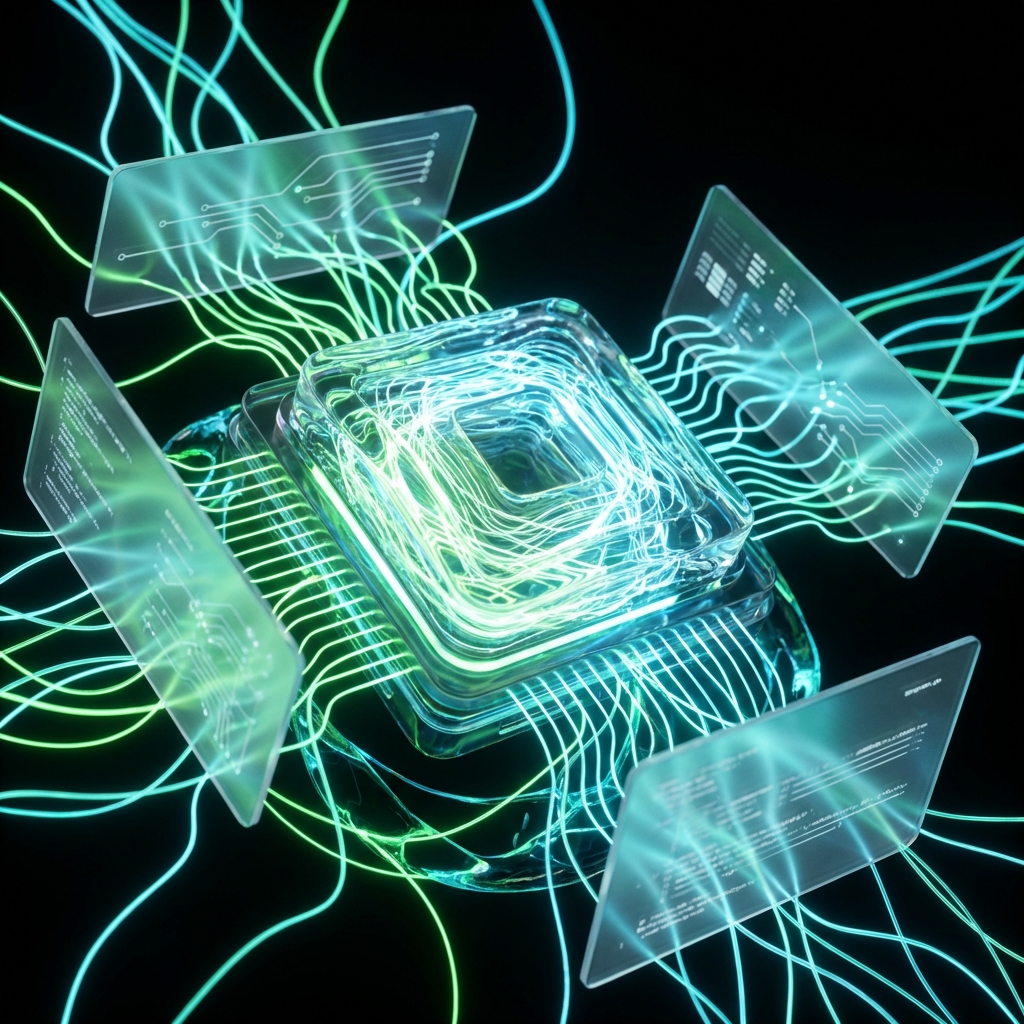
Luci isn't a skin for Chrome. It's a direct interface with your hardware via the Nara Runtime, bypassing the bloat of traditional rendering pipelines. This is Orchestration-as-Code, built for the next generation of sovereign resonant interaction.
Anyonic Orchestration.
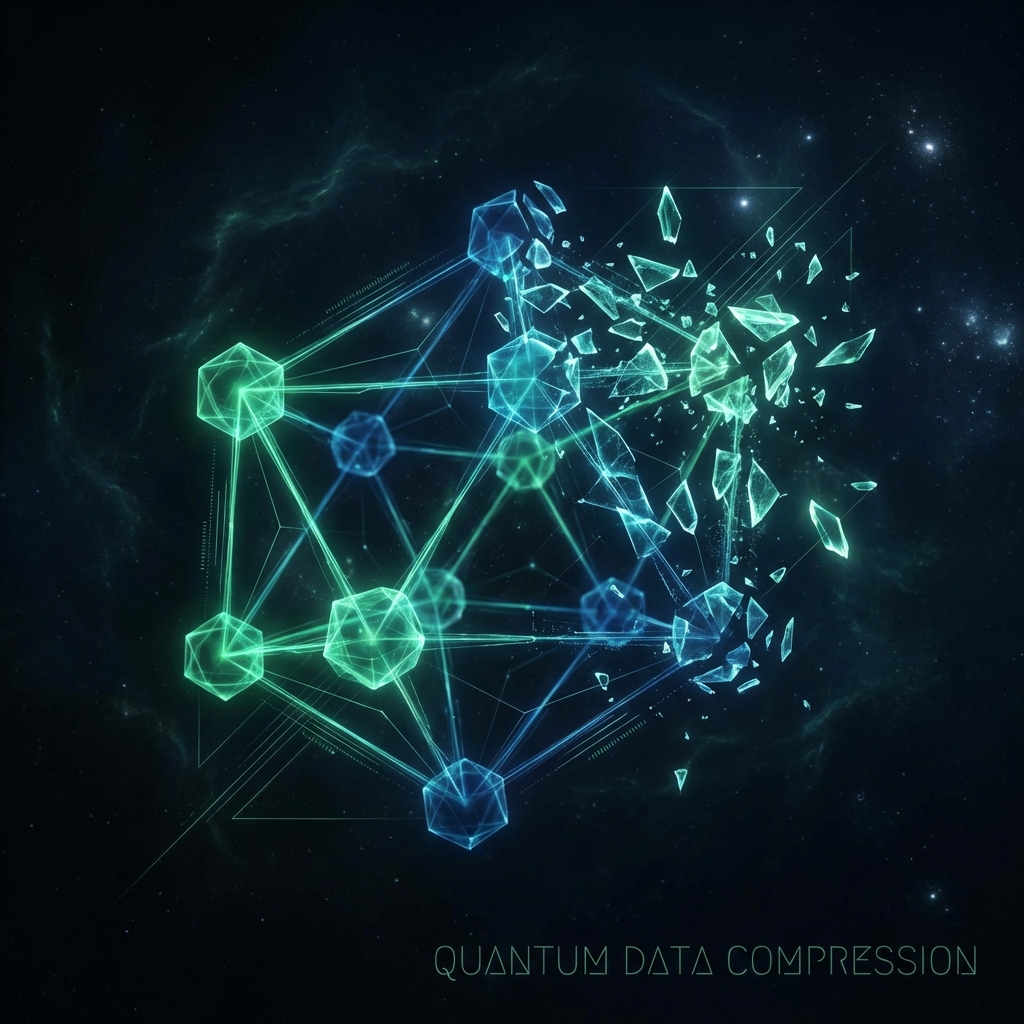
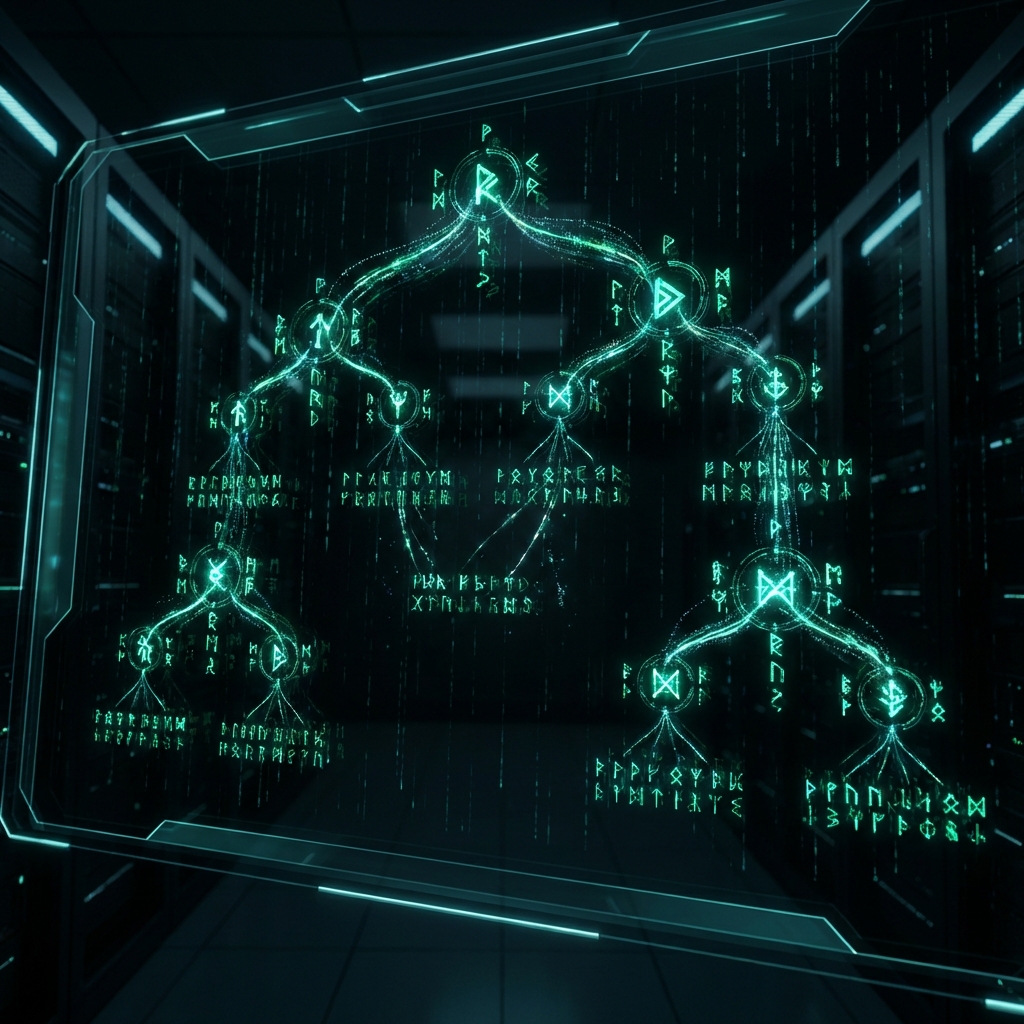
Through Anyonic Fractionalization, Luci splits data payloads into semantic shards. This isn't just compression; it's a re-definition of data integrity. By mapping content to the 1133 AFT Genesis glyphs, we achieve semantic compaction that feels instantaneous.
Sovereign Mesh Identity
QNS Integration
The Quantum Naming System replaces legacy DNS. Your identity is a sovereign ⚛️ fragment, verified across the mesh without central proxies.
Orbital Proxies
Luci routes traffic through localized "Orbital" nodes, masking your hardware fingerprint while maintaining native performance.
AFT Genesis 1133
Our typographic bedrock. 1,133 unique glyphs that form a semantic language for hardware-native communication.
Spatial Orchestration
Luci renders browsing as a 3D spatial experience. Every WebsiteCard exists in volumetric space, orchestrated by the Nara Engine's voxel-native pipeline. The result: fluid, intuitive navigation that mirrors how your mind actually works.
Volumetric Rendering
Each data node is a voxel in 3D space. The Nara Painter draws directly to GPU hardware registers.
Neural Proximity
Content rearranges based on your cognitive focus. Hover, scroll, and interact—the mesh responds.
Layered Glass Architecture
Translucent, depth-aware panels create an immersive browsing experience that feels physically present.
The Multi-Spectrum Languages
ACL and APL are not single concepts — they are resonant spectrums. Each acronym encodes multiple layers of meaning, reflecting the fractal nature of Aevov architecture.
The Sovereign Mesh.
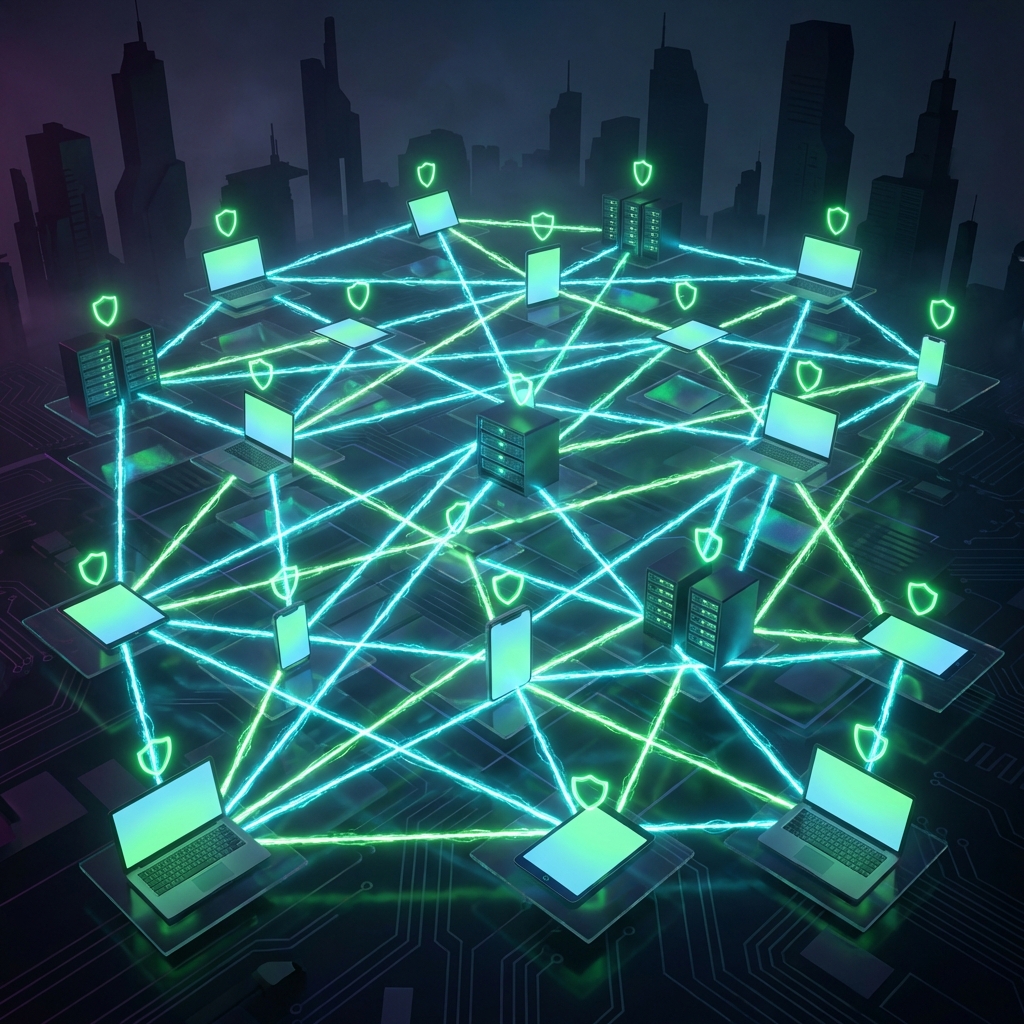
Every Luci instance is a node in the resonant mesh. Your data flows through localized Orbital proxies, encrypted with the Aevov Cryptographic Layer, and resolved via the Quantum Naming System. No central authority. No DNS monopoly. Pure sovereignty.
Infinite Canvas.
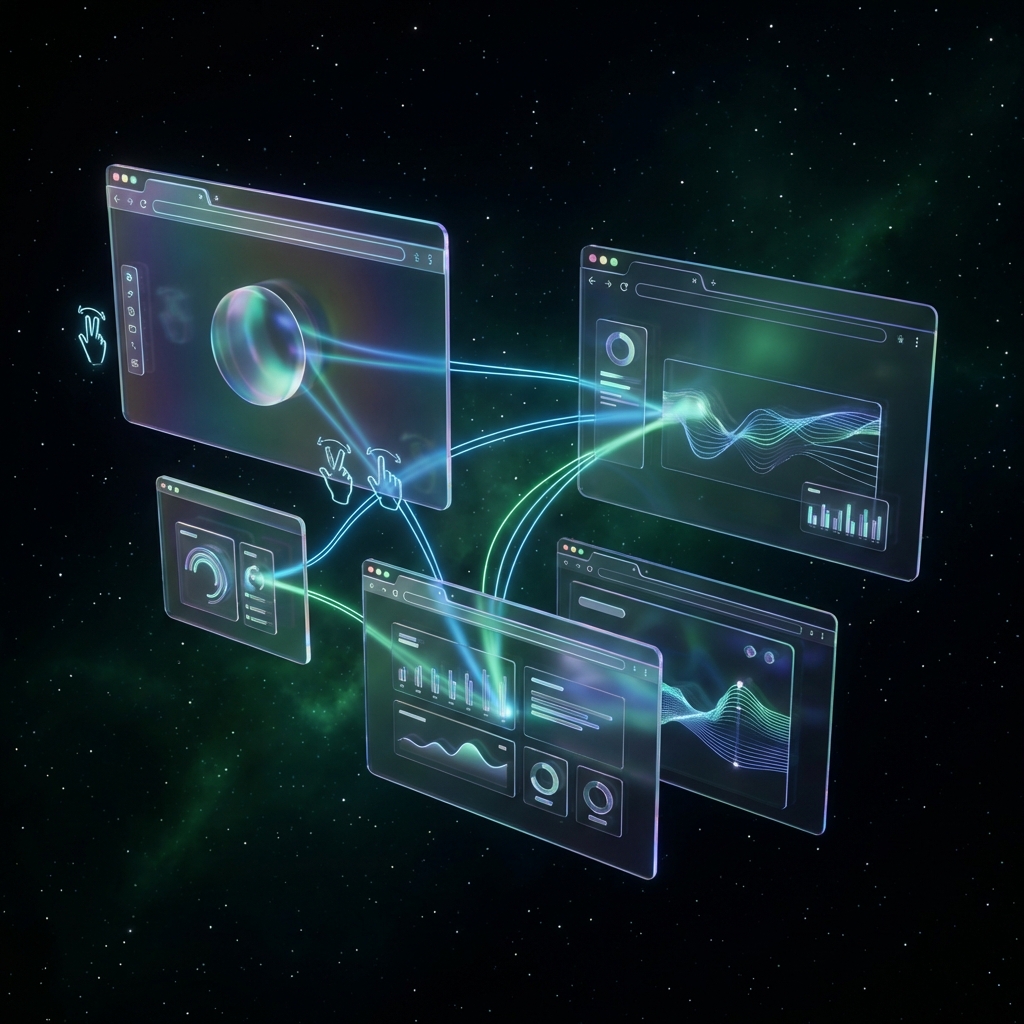
Tabs are dead. Luci renders every WebsiteCard as a volumetric entity in spatial memory. Arrange, stack, and navigate through your resonant workspace like a 3D operating system. The Nara Painter draws each card directly to GPU registers at 60FPS.
Research shows spatial memory outperforms linear recall by 340%. Luci's canvas leverages this cognitive advantage for effortless multi-task orchestration.
AFT Genesis Lineage.
From 33 seed glyphs in 2018 to the full 1,133 Genesis manifest in 2026 — the AFT lineage is the semantic backbone of the Aevov ecosystem. Each glyph is a resonant primitive: a unit of meaning that can be fractionalized, composed, and executed.
Quantum Logic Core.
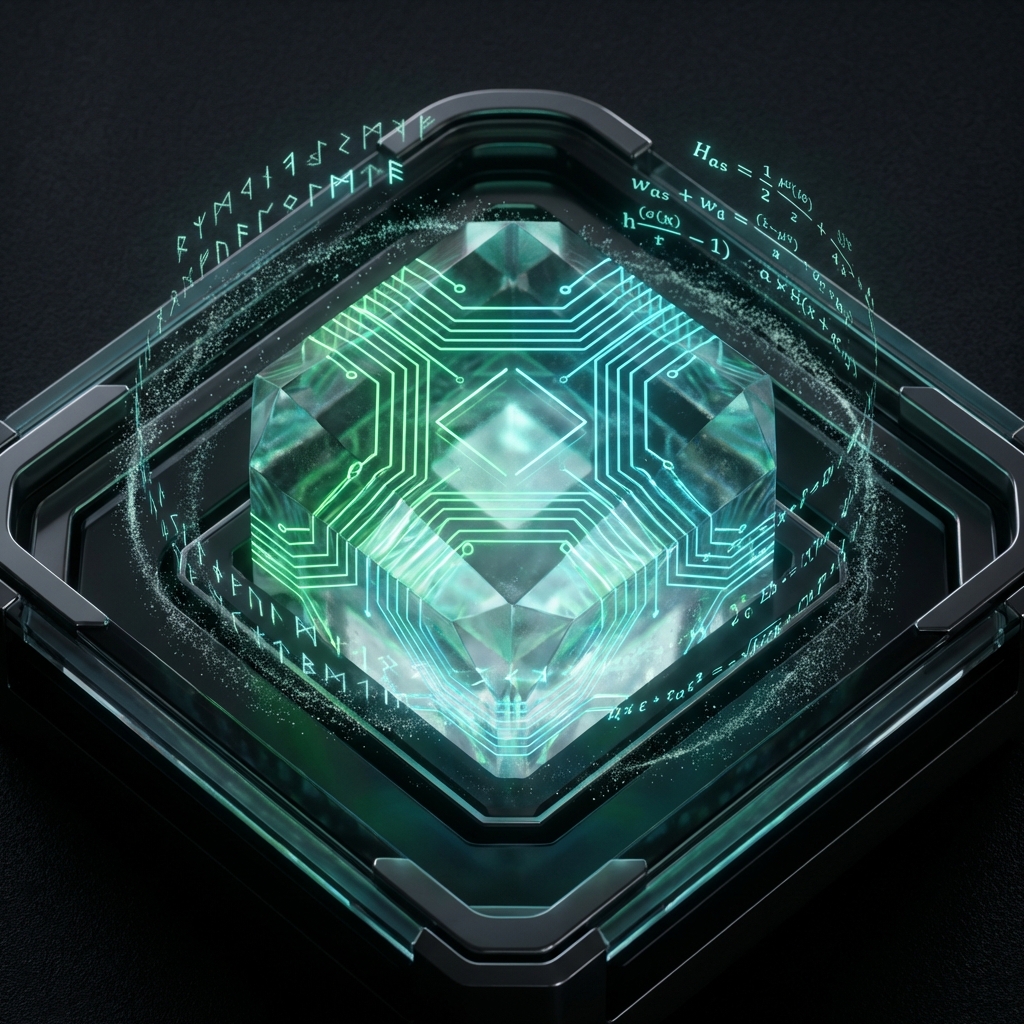
At Luci's heart is the APL Runic processor — a symbolic execution engine that operates on many-valued semantic fragments instead of binary bits. The Runic operators (ᛩ, ᛜ, ᚠ, ᚢ) map directly to hardware registers, enabling Quantum-native computation on classical silicon.
Library of Alexandria
The definitive record of Aevov AI Technologies. Explore the standards that define the Fourth Wave.